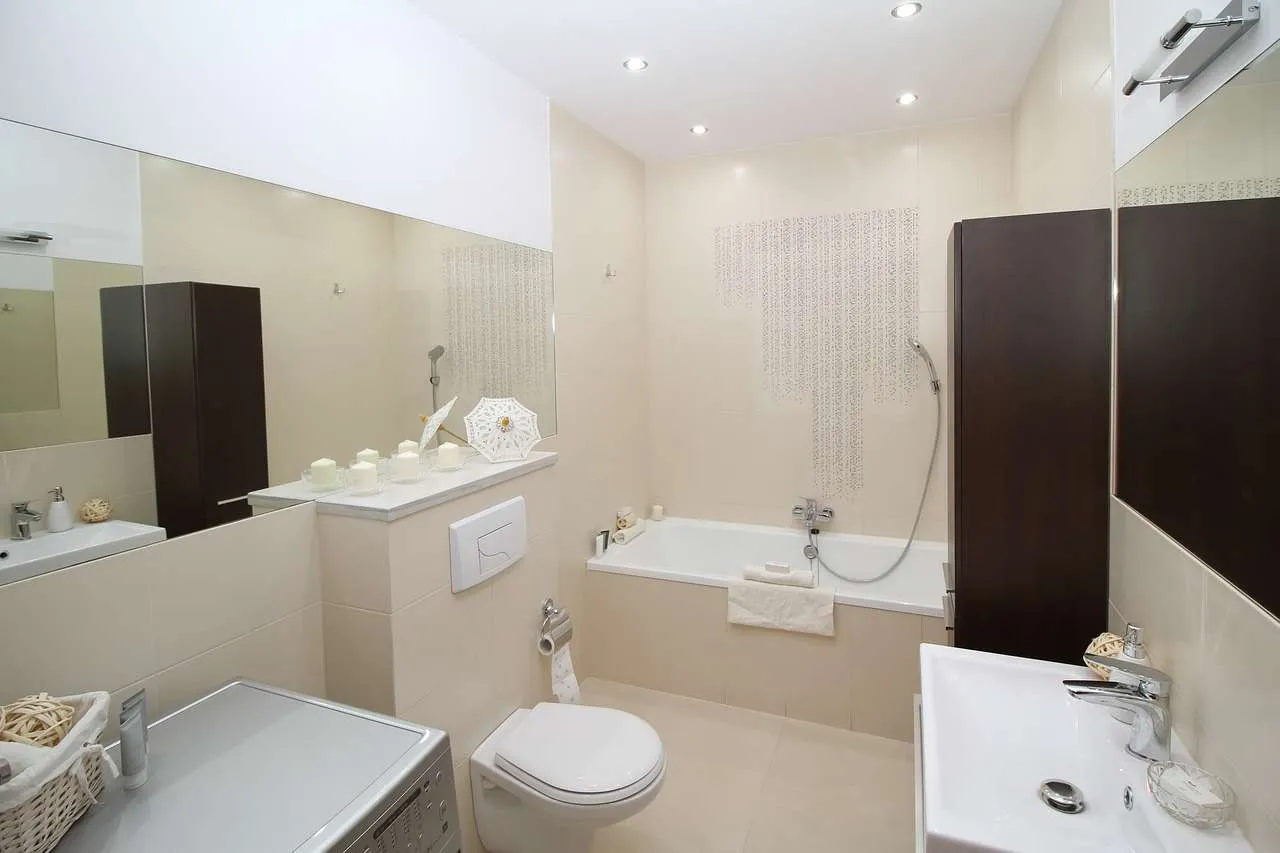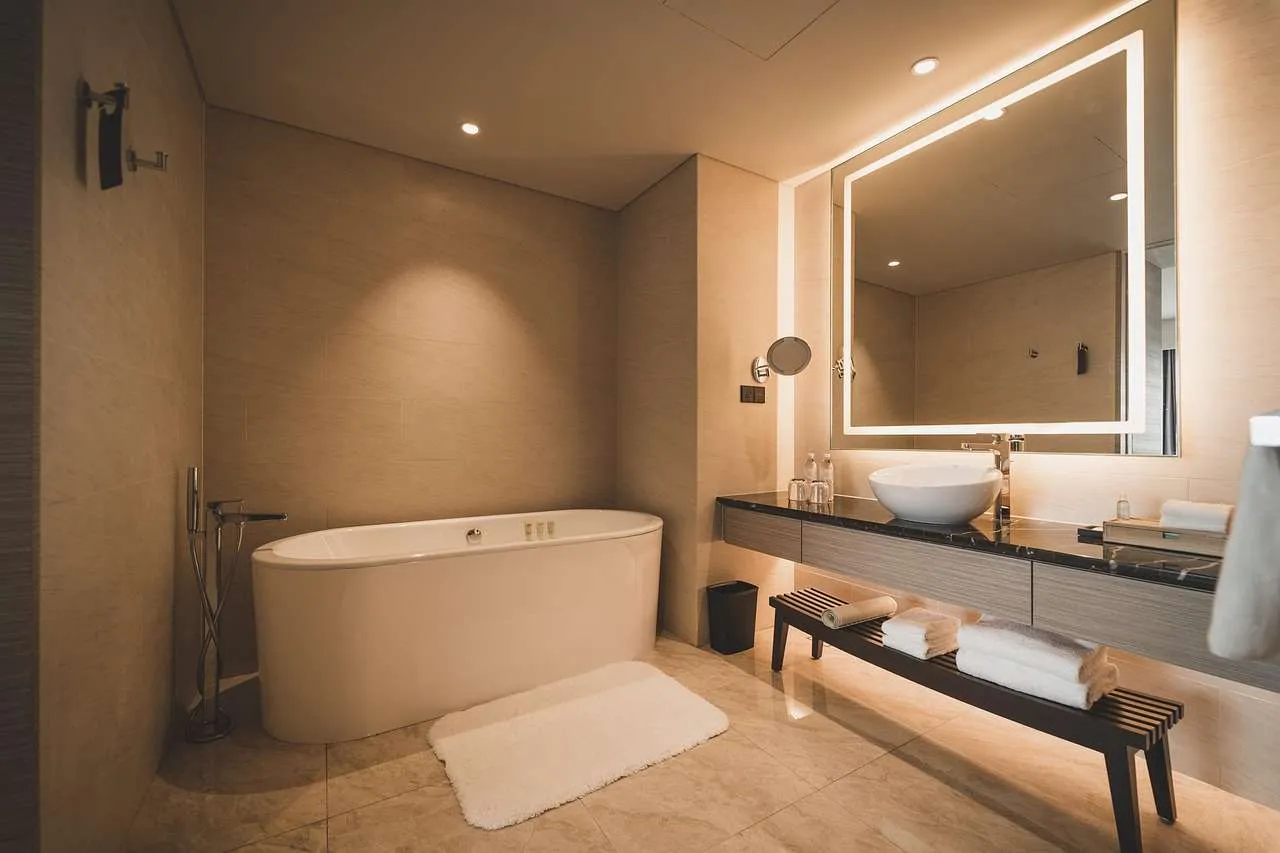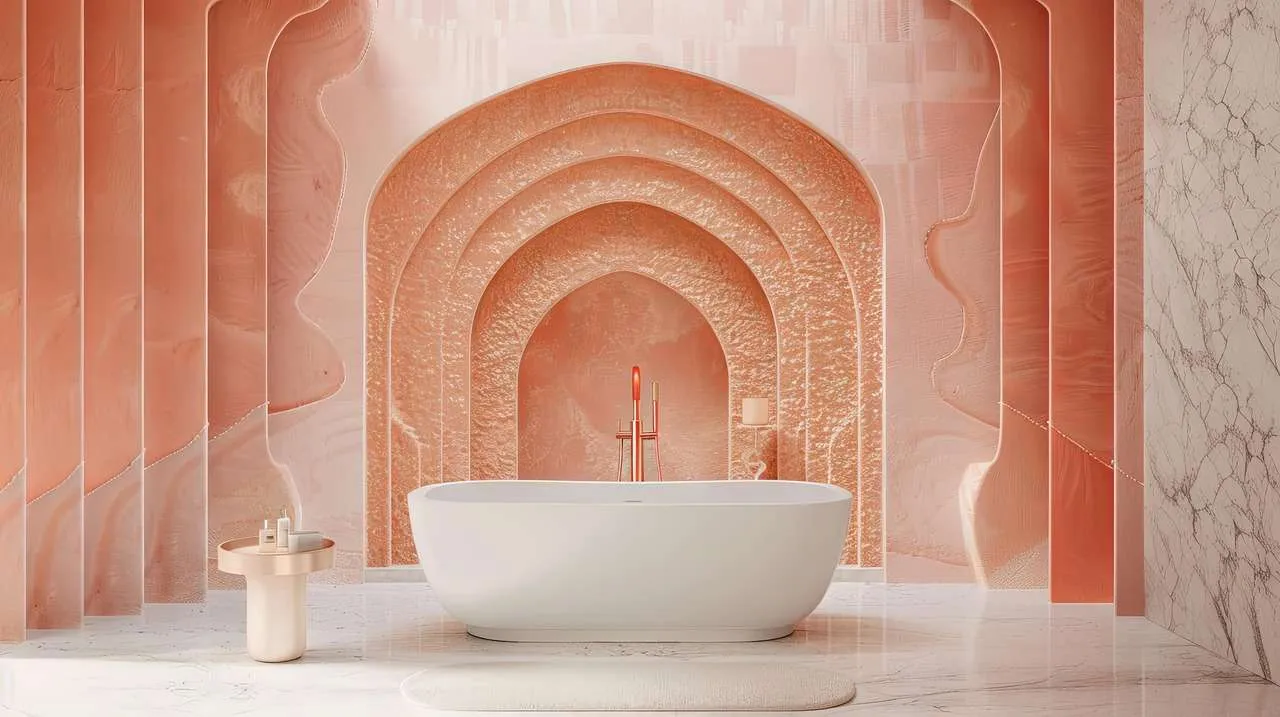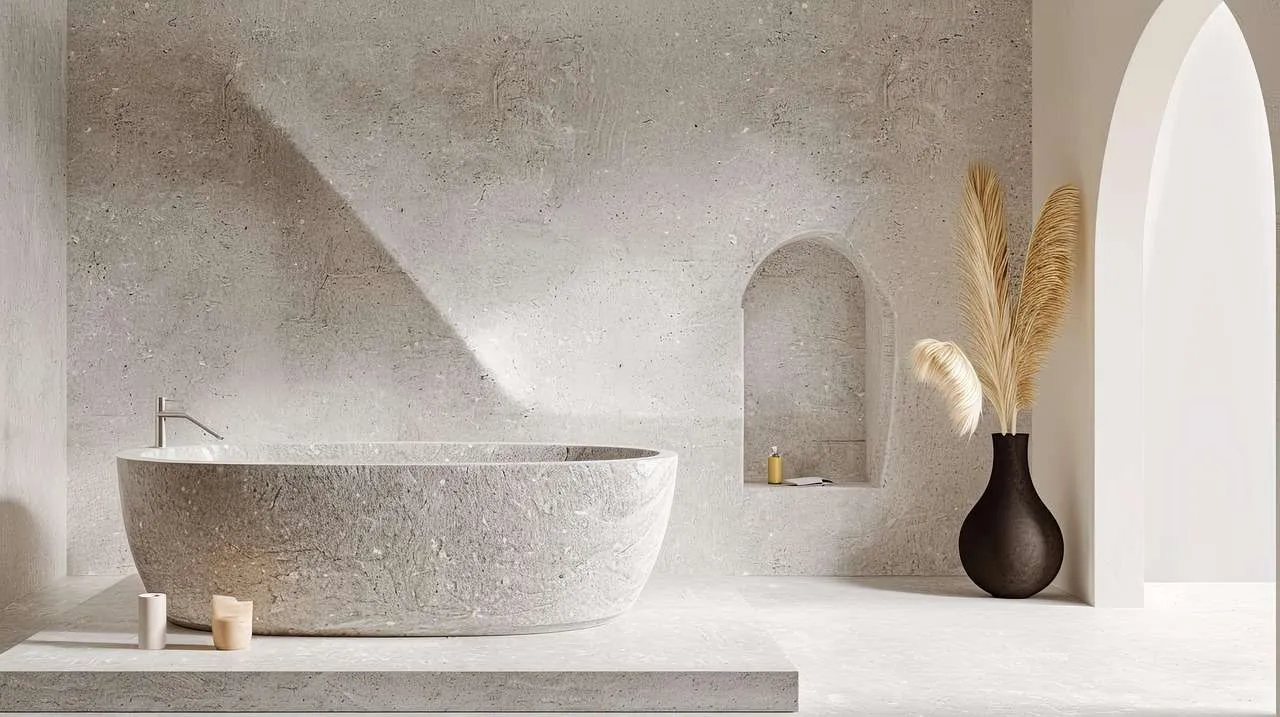
Choosing bathroom tiles is both a design decision and a long term investment. The right tiles shape the room's mood, resist moisture, and stay beautiful for years. This guide reflects professional experience in bathroom renovations, product testing, and installation best practices to help homeowners, designers, and contractors select tiles that perform in wet environments. We cover materials, sizes, finishes, installation basics, maintenance, and cost considerations to help you make informed, confident choices.
Choosing the Right Bathroom Tiles
Material types
Porcelain and ceramic tiles are the most common in bathrooms for durability and moisture resistance. Porcelain is a dense, low porosity ceramic that typically absorbs less than 0.5 percent of water, making it ideal for floors and showers. Ceramic tiles are slightly softer and often more affordable, with water absorption higher than porcelain but still suitable for wet areas when rated properly. Natural stone adds luxury but requires sealing and ongoing care. Glass tiles offer light-reflecting surfaces and splash protection but can be slippery on floors. Match each material to room use, climate, and maintenance willingness.
Size and layout
Size affects space perception and grout upkeep. Large format tiles reduce grout lines and create a clean look; subway and mosaic patterns add character. For showers, choose slip resistant textures and plan layouts to minimize cuts and ensure water drains away from seams.
Finishes and textures
Matte finishes hide water spots and fingerprints, while satin and high gloss have distinct vibes. Matte often feels more slip resistant on floors. Textured stone or ceramic improves grip but may need more grout maintenance. Use light colors to brighten small bathrooms; darker tiles add depth when balanced with neutral grout and a calm secondary tile.
Performance and Durability
Water absorption and slip resistance are critical in wet spaces. Porcelain typically offers high durability and the lowest water uptake, ideal for floors and showers. Ceramic tiles are durable on walls and light traffic floors. Natural stone ranges in hardness and usually requires sealing and periodic reapplications to prevent staining. Glass tiles resist moisture and create a modern look, but floors should be handled with caution due to slipperiness. Check tile grade, slip rating, and if frost resistance is needed for your climate.
Waterproofing and Installation Considerations
Adhering to best practices protects EEAT standards. A solid substrate, moisture barrier, and compatible backer board are essential in showers and tub surrounds. Use waterproof membranes and the right mortar. Epoxy grout provides superior stain resistance in wet areas, while cementitious grout is cheaper but needs sealing. Proper ventilation during and after installation reduces moisture problems. Request a written warranty and ensure work follows manufacturer guidelines and local codes.
Maintenance and Cleaning
Routine care extends tile life. Wipe down wet surfaces after showers, remove soap scum with a gentle cleaner, and reseal natural stone as recommended. Porcelain and ceramic tiles are low maintenance; seal grout only if recommended, and consider epoxy grout for high moisture areas. Avoid harsh acids on stone and glass to prevent etching. Regular sweeping and a tile-safe mop keep grout colors bright.
Cost, Brands, and Choosing an Installer
Tile costs vary by material, size, and finish. Porcelain and ceramic are typically affordable, while natural stone and premium glass can be more. Include underlayment, waterproofing, labor, and waste in a project estimate. Look for tiles meeting trusted standards and warranted coverage. For installation, hire a licensed professional with recent bathroom projects, check references, and request a detailed plan and timeline.
Tile Material Comparison
| Material | Durability | Water Absorption | Maintenance | Best Use |
| Porcelain | High | Very Low | Low | Floors, showers |
| Ceramic | Moderate | Low to Moderate | Moderate | Walls, backsplash |
| Glass | Moderate | Low | Variable | Backsplashes, accents |
| Natural Stone | Variable | Moderate to High | High (sealing) | Showers, vanity areas |
| Mosaic/Metallic | Moderate | Low | Moderate | Feature walls, floors |
Conclusion, choosing the right bathroom tiles blends style and practicality. By understanding materials, layouts, and maintenance, you can select tiles that perform in moisture-prone spaces, fit your budget, and stay handsome for years. This approach—expert input, quality materials, proper installation, and mindful upkeep—helps ensure a durable, beautiful bathroom.